In our sector, we are used to doing a lot with very little. We are the masters of the miracle on a shoestring.
But lately, my conversations with colleagues from across Somerset seem to have taken a challenging turn. Already this year we’ve seen vital organisations close for good. The quiet miracles they performed every week have now simply stopped.
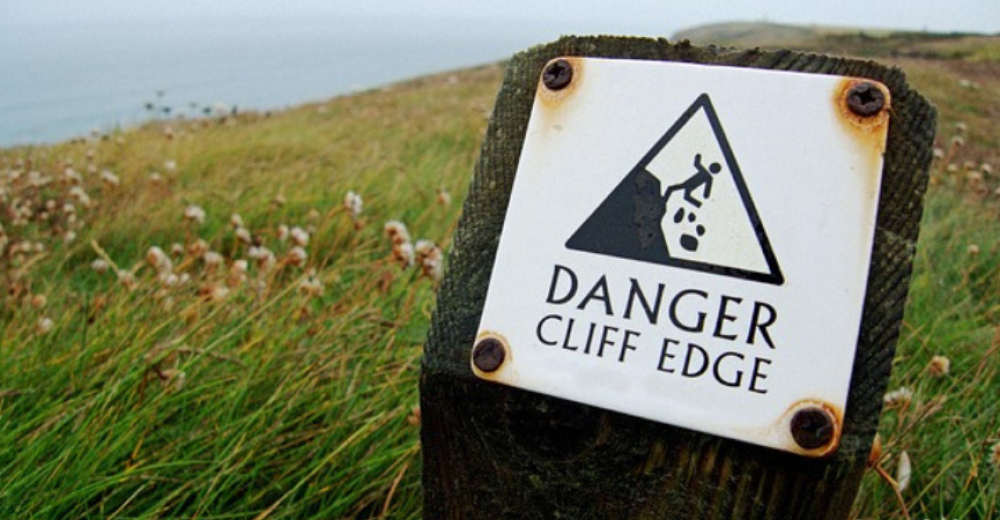
In our most recent State of the Sector report, we highlighted that 62% of Somerset’s VCFSE organisations have six months or less of financial reserves. But what does six months really mean and is it a cliff-edge?
The true cost of ‘six months’
When we talk about reserves, we aren’t talking about a rainy-day fund for extras. We’re talking about the amount of money an organisation has ‘reserved’ to ensure it can carry on its work if no other income comes in. That means it has enough in the bank to
- Keep the lights on: With energy costs rising because of global instability, a sudden rise in costs will mean keeping a community hub warm will be harder.
- Look after your team: It’s about being able to pay everyone, they all have their own bills to pay. It also means, painfully, having the funds to cover redundancy costs and support staff if closure becomes unavoidable.
- Making sure everyone is okay: A safe closure takes time and money. It means ensuring that the people who rely on you for transport, mental health support, or a hot meal aren’t suddenly abandoned, but can be safely supported by other organisations.
- Leave no debt: Reserves make sure a lifetime of community service doesn’t end in financial ruin or unpaid bills.
When should you start to worry?
Making a plan – and really knowing your financial position – needs to happen before your bank balance hits zero. If you are frontloading grants or looking at your forecast and realising that your core costs (the non-negotiables like rent, insurance, gas and electricity, wages) are keeping you awake at night, then it is time to talk.
We often feel that admitting struggle is a sign of failure. It isn’t. The current economic climate is a systemic failure, not an organisational one. Rising demand for our services is colliding with a cost of giving crisis that is stretching us all to breaking point.
Imagine a Wednesday without us
I’ve started to ask decision-makers to imagine a #WednesdayWithoutUs. A day where the 1,326 hours of volunteer support in Somerset simply vanished.
If we don’t start talking honestly about the cost of core infrastructure, that hypothetical Wednesday becomes a real risk – and for some organisations has already happened. We believe that our sector makes sure everyone has a place to belong. But you cannot build belonging on shifting sands.
But you’re not alone…
At Spark Somerset, we see ourselves as the glue for the sector, but we are also your sounding board. If you are looking at your reserves and feeling that cliff-edge anxiety:
- Be honest with your board and trustees: Don’t wait until it’s too late.
- Be transparent with funders: The best funders want to know the reality of your core costs.
- Talk to us: Whether it’s for advice on diversifying income, exploring mergers, or simply a confidential conversation about safe closure planning. We’re all ears.
- Join our training on Thursday 8 October to discover what financial resilience looks like and how to build it into your organisation.
Our sector is a human safety net, but every net needs strong anchors. Let’s work together to ensure those anchors hold, so that we can keep Somerset healthy, connected, and supported for the long term.
And when you need help, we’re here. Visit our Get support page to find out more.

“If you are frontloading grants or looking at your forecast and realising that your core costs are keeping you awake at night, then it is time to talk.”