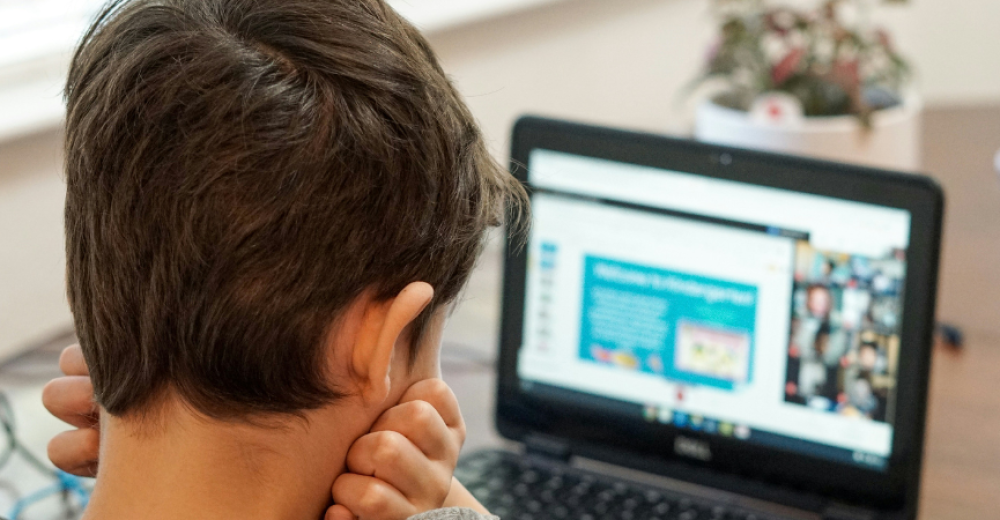
This week, the Prime Minister announced that children under 16 will be banned from social media by next Spring.
It’s one of those moments when the national conversation collides with discussions I have all the time (at work and at home!)
Is it a good idea? It would be so easy to have a simple and clear position on this. But I’m not sure. Yet. The evidence on social media and young people’s mental health is real, disturbing and growing. But also so are the questions about what happens next
What I do know is this announcement can’t be the last word. The ban is expected to come into force in Spring 2027, and between now and then, communities like ours in Somerset have a role to play in shaping what it looks like in practice.
Through the Somerset Youth Alliance and Children and Young People’s Mental Health Network, we are connected to brilliant organisations who work with young people day in, day out. Organisations that create the kind of belonging that can change a young person’s future.
And that’s the question I keep coming back to. Right now social media is a space where young people spend their time. I don’t think it’s a healthy space much of the time. But however harmful it is, there is still the question of what do we put in its place?
The Government has announced £132.5m for after-school clubs alongside this legislation. Recognition, perhaps, that you cannot simply take something away from young people without offering something better in return. This is good and we’ll be watching how that investment reaches communities like ours.
But the ban won’t instantly result in thousands of young people suddenly leaving their bedrooms and becoming model citizens. We – the adults in this – need to create real-world spaces for young people, in places where they need them, at times when they want them. And we have to invite them, and keep inviting them until we think we can’t invite them anymore, because we are the people who let the social media genie out of the bottle. And that is what everyone working in the voluntary and community sector in Somerset, supporting young people, will do, quietly and consistently.
But for now, I think three things are important:
- We should keep talking to young people. Not just about them. This policy will shape their lives, and their voices need to be heard at every stage of our planning.
- We should strengthen what we have. The youth organisations across Somerset that offer face-to-face connection, creativity, and care are exactly the infrastructure that young people will need.
- And we should stay curious. The research is still evolving. Our job is to follow the evidence, stay connected to young people, and be ready to respond
If you’re a youth organisation in Somerset wondering what this means for your work, or if you want to be part of the Somerset Youth Alliance or Children and Young People’s Mental Health Network, we’d love to hear from you.
Because what happens on a national policy level has to be made real and safe, at a local level. And that’s what we’re here for.
Interested in digging into this topic a bit more? Join us on Tuesday 7 July for the Somerset Youth Alliance Action Day. We’ll be looking at some of the emerging challenges young people are facing right now – including the “manosphere”, the influence of online cultures, and the wider conversations shaping how young people behave and connect online. Find out more and book your free place here.