Imagine being offered a leadership role without having to compete for it - no application, no interview, just handed to you. How would you feel?
Many women might hesitate, questioning if they are truly ready. Am I good enough? Can I handle the pressure? What if I fail?
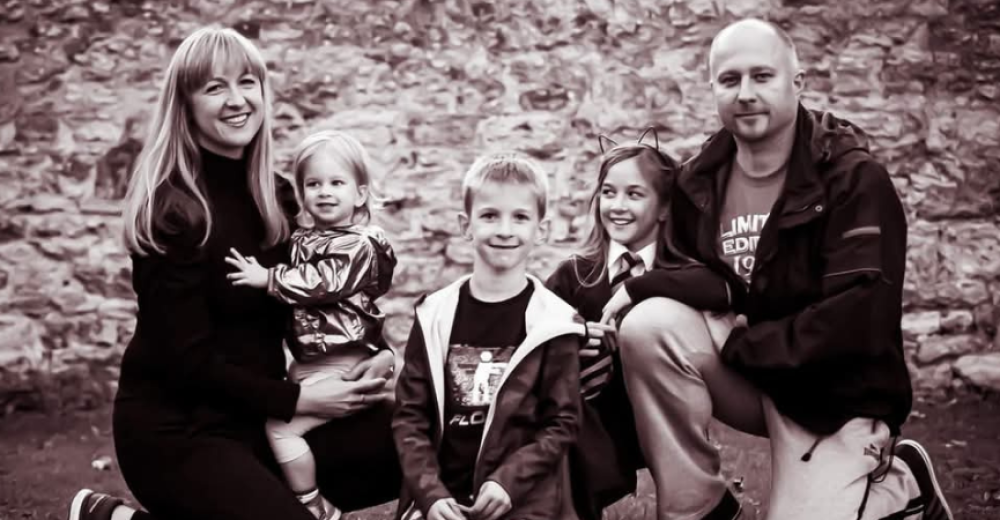
In this blog, our Community Organiser, Joanna Bogunska (pictured above – left), explores the challenges women face in leadership roles, and shares her insights on how we can tackle gender bias and change professional norms.
In the UK’s Voluntary, Community, and Social Enterprise (VCSE) sector, women make up a large proportion of the workforce but remain underrepresented in leadership roles.
- Women represent 68% of the charity sector workforce, yet only 32% of the top 100 UK charities by income have female CEOs. (Source: Pro Bono Economics, 2023)
- Only 29% of charity board chairs and 32% of treasurers are women, despite their strong presence in the sector. (Source: Pro Bono Economics, 2023)
These figures highlight a clear gender imbalance in VCSE leadership. While women form the backbone of the sector, they still face barriers in reaching top decision-making positions.
In preparation for writing this blog, I reached out to lots of female leaders in the sector who reported that leadership can feel more like an extra challenge than an opportunity. Balancing work, family, and other commitments, can make stepping into leadership seem overwhelming. But is the problem leadership itself, or the way it has traditionally been structured?
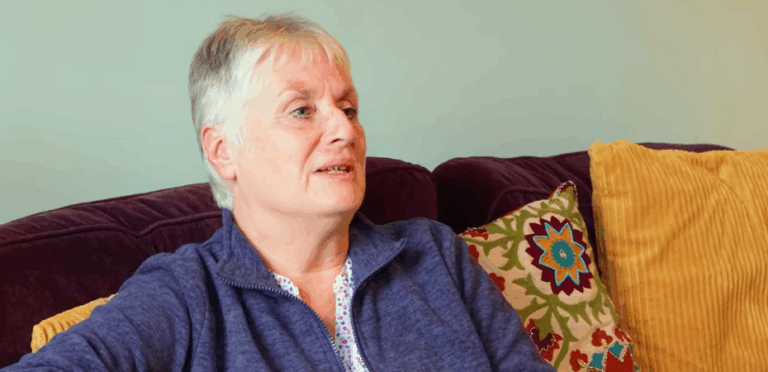
I spoke with Marie Rice, manager of St Peter’s Community Centre, about leadership, challenges and solutions. Marie is a decisive, natural and compassionate leader, but her journey has not been easy. Her experiences highlight the need to make leadership more accessible and appealing for all.
Marie emphasised the importance of role models. When she took on her first management position, she was mentored by the female headteacher of a local school which helped build her confidence and leadership skills. In addition, Marie looked up to her mother – another strong and caring leader.
When women see others like them in leadership positions, it can reinforce the belief that they, too, can lead. Organisations should be intentional about showcasing woman in leadership.
Leadership is not just about authority
A common misconception is that leadership means giving orders. It can be difficult for some women to connect with the traditional image of a manager as someone who commands, delegates, and focuses purely on results.
Marie believes that we should “be the leader or manager you wish you had.”
For Marie, leadership is about collaboration. She works alongside her team, understands their roles, and challenges, and empowers them. She fosters an environment where people feel encouraged to come up with solutions together. It is about listening, empowering and creating a space where people feel safe to grow.
This shift – from a top-down approach to a shared vision – can make leadership more attractive. Even the way we describe roles matters. Calling someone a ‘Leader’ instead of a ‘Manager’ can change how the role is perceived. Words matter.
The power of listening
Marie referenced Simon Sinek’s ‘8-Minute Rule’ – the idea that giving someone just eight minutes of undivided attention can make a dramatic difference, making them feel heard and valued.
In many workplaces, leaders rush from one meeting to another, making decisions quickly with little time to truly listen to their teams. Effective leadership involves fostering open communication and trust which require active listening and emotional intelligence, qualities often associated with women. This is not about one leadership style being better than another – it is about valuing diverse approaches that strengthen organisations.
Tackling gender bias
Bias is not always loud and obvious. It can show up in who gets interrupted in meetings, who is given important projects, or whose expertise is questioned. While unconscious bias training is useful, organisations also need clear policies that actively address these issues, so women are not left to fight these battles alone.
What can we do?
1) Rethinking leadership
We can start by rethinking job titles and job descriptions. If the word “manager” feels restrictive, adjusting titles to emphasise collaboration might encourage more people to step up.
Encouraging women to apply for leadership roles is not enough. There needs to be clear pathways for development, such as:
- Mentorship programmes: Connecting future female leaders with experienced mentors
- Leadership training: Building confidence, decision-making skills, and resilience
- Gradual experience: Allowing people to take on leadership responsibilities step by step
2) Creating a supportive structure
Opportunities alone are not enough. Organisations need systems where leaders – especially women – can voice their ideas, frustrations, innovate, and find solutions together.
A truly supportive workplace:
- Has clear policies against discrimination and bias
- Recognises that employees have personal lives; family commitments should not be ignored or pushed aside
- Creates psychological safety so that people feel safe, valued, and heard
- Provides unconscious bias training. Slight changes in awareness can change someone’s behaviour
3) Changing Professional Norms
Many workplaces still operate under an outdated view of professionalism – where long hours and emotional detachment are seen as signs of dedication. But women (and men) do their best work when they feel balanced and supported.
A good leader can have a difficult conversation, make quick decisions, and run an effective team without sacrificing their wellbeing. This is not a women’s issue – it is a workplace issue. Men can also benefit from leadership structures that allow them to be present fathers, partners, and individuals outside of work.
Strong leadership is not about sacrificing personal life for work. It is about making thoughtful decisions, supporting teams, and creating sustainable careers. Organisations that embrace this mindset create workplaces where both men and women can thrive.
Final thoughts – we are part of the solution
Women are not underrepresented because they lack leadership ability – the challenge is transforming outdated structures that make leadership less accessible to them.
- It is time to rethink what leadership really means
- Workplaces should be spaces where women feel safe, valued, and heard
- Leadership is not just about managing – it’s about supporting and empowering people.
By championing these changes, we all benefit. Gender equality in leadership is not just about fairness – it strengthens organisations, drives innovation, and creates more inclusive workplaces.
The question is: Are we ready to make it happen?
And, coming back to my original question, if leadership was structured in a way that supported and empowered you to step up, would you say ‘yes’?
About the author: Joanna Bogunska is passionate about empowering others. With years of experience in business, recruitment, finance and investments, she has seen firsthand the challenges woman face in their careers. As one of our Community Organisers, she works to address local needs, support grassroots initiatives, coordinate community events and drive positive change.