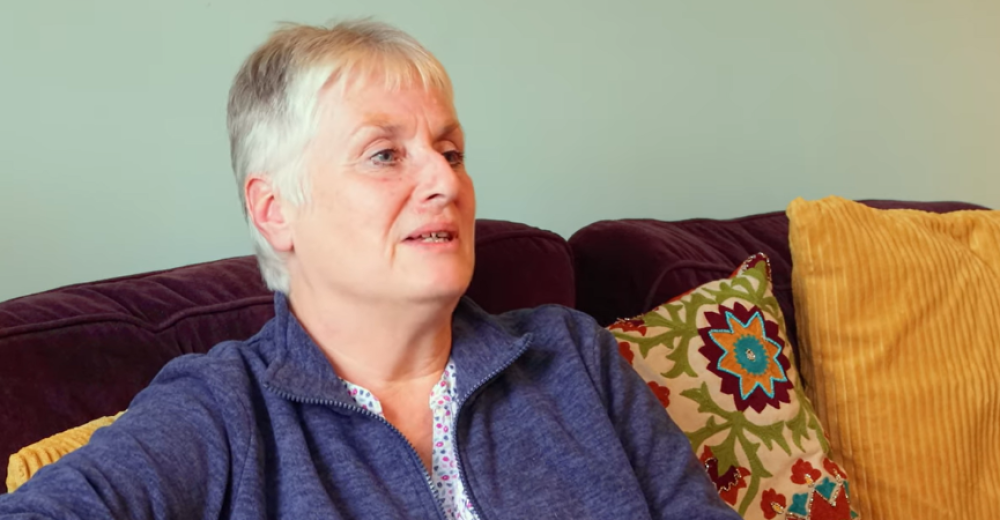
As she approaches retirement, we’re pleased to share a guest blog from our former colleague and friend, Sue Crisfield, to mark Social Prescribing Day.
Over the past seven years, Sue has worked alongside communities and primary care colleagues across Somerset, helping to shape and deliver social prescribing in practice. In this blog, she explores the progress made, the system‑wide challenges, and what’s needed to strengthen and sustain social prescribing for the future.
Discovering social prescribing
Social prescribing is the opposite to medical/clinical prescribing, in that it’s not focussing on a particular health condition and aims to look at the whole person, enabling them to prevent and self-manage their health.
It’s a health care approach that connects people to community activities, groups and services, such as volunteering, arts or exercise, to address non-medical needs such as loneliness, debt or mental health, rather than relying solely on medication. It’s about improving health and wellbeing in its broadest sense.
Back in 2019, my role with Spark Somerset was community-facing. Funded by the PCN and covering GP practices in Wincanton, Bruton, Castle Cary, Queen Camel and Milborne Port, I worked with voluntary sector organisations to identify gaps and set up new groups and activities for people in the area.
In my current position at the Rural Practice Network, I have primarily worked alongside Health Coaches, who are non-clinical and work with people with physical and/or mental health conditions. Health Coaches empower people to set goals that are important to them, and social prescribing knits well into this.

“Social prescribing is about improving health and wellbeing in its broadest sense.”
Where we are now
Across Somerset, there are many people doing valuable work in the social prescribing space, but not always in a consistent or joined-up way. While diversity can be a strength, the lack of a shared approach can make things feel fragmented.
Another real challenge is that clinicians have so many pressures on their time and they often are limited within the ‘medical’ rather than the ‘social’ model of caring for patients.
So many things affect our health and wellbeing and contribute to physical and mental ill health, such as poor housing, low incomes, loneliness and isolation, childhood trauma, anxiety, unemployment, difficult life experiences. Many people feel trapped and unable to change their situations.
We need to enable people to understand and manage their health conditions and not just assume that a pill or surgery will solve everything. We must look at the whole person and not just their medical condition – this is what health coaching and social prescribing does!
“We must look at the whole person and not just their medical condition – this is what health coaching and social prescribing does!”
A personal perspective
I live with two chronic pain conditions myself, and in 2021 I discovered a programme called Live Well with Pain, The Ten Footsteps, which is a completely non-medical, skills-not-pills approach to understanding, managing and living better with pain. It changed the way I live with my pain completely and I wanted to share it with others, so I developed a Live Well with Pain group programme for patients in our 5 practices.
Over time, this grew into a wider offer: structured 12-week courses, monthly community pain cafés, an online evening group, and a group for young adults.
Since 2022 the Health Coaches and I have supported around 200 people with information and support both individually and in the groups and pain cafes.
Seeing people begin to understand their pain, accept it, and find ways of living better with it has been such a massive encouragement for me. It literally has changed people’s lives. Many have reduced or de-prescribed from pain medications and have found new confidence to become more active in ways that suit them whether that’s joining a community group, volunteering, returning, or simply not saying no to social occasions and embracing life. Where the pain was in the driving seat previously, the person living with it is now in charge!
I am enormously grateful that the PCN indulged me and gave me the space and time to develop the Live Well with Pain work across the area.
“Where the pain was in the driving seat previously, the person living with it is now in charge!”
Looking ahead
Prevention and enabling people to understand and self-manage their health conditions is absolutely key. We need to try to get people upstream of them becoming really poorly with worsening physical and mental health.
So, when looking at budgets, please look outside of the prescribing and medical model box and look at the whole person – what interventions and local services can be funded and supported to support our patients across the county?
I think Health needs to work so much more closely with the huge range of VCFSE sector organisations, both large and small, to enable patients to have a more focussed and rounded service across the board.
As with the Live Well with Pain offer, if we can enable people to understand and live better with their pain and become active self-managers, there will be less pressure on GP time and pharmacy budgets – that seems to me to be a win-win situation!”
Sue’s reflections highlight both the power and potential of social prescribing, especially the vital role of community-led support in helping people live well. As she heads into retirement, we wish her a very happy and well-deserved next chapter.
If your group is supporting community wellbeing, we’re here to help strengthen and support the important work you do. Visit our Get Support page to find out more, or get in touch if you’d like to discuss any of the themes raised in this blog.
“When looking at budgets, please look outside of the prescribing and medical model box and at the whole person – what interventions and local services can be funded and supported to help patients?