We look at what the new Neighbourhood Health Framework means for the VCFSE sector in Somerset - including the opportunities, challenges and how we can work together to shape local health services.
The Framework sets out how a new neighbourhood health service will be built across England, moving care from hospitals into communities, organised around defined local populations.
The VCFSE sector is specifically recognised as a key partner in delivering services through Neighbourhood Health Centres and Integrated Neighbourhood Teams. The framework also outlines the key role Health and Wellbeing Boards (the Somerset Board, in our case) will play in the development of neighbourhood health plans, creating a clear route for local influence. In addition, the Civil Society Covenant is highlighted as a guiding principle, giving the sector a formal mechanism to advocate for codesign and meaningful involvement in decision-making.
For Somerset, this matters because it creates a system that is designed to work much more closely with community-based organisations — and in many cases, depends on them to succeed.
What’s changing?
In practice, care will increasingly be organised at a neighbourhood level, with services delivered through integrated teams that bring together the NHS, local authorities, and the VCFSE sector. These Integrated Neighbourhood Teams will focus on areas like frailty, long-term conditions, children and young people, and cancer, but how they are designed will be decided locally.
Alongside this, new Neighbourhood Health Centres will bring services together in community setting. These centres are intended to make care more accessible and better connected to the communities they serve.
There is also a clear shift towards prevention — supporting people earlier, helping them stay independent, and addressing wider issues like isolation, housing, and employment. This is an area where the VCFSE sector already plays a vital role through trusted relationships, community reach, and more holistic support.
Why it matters
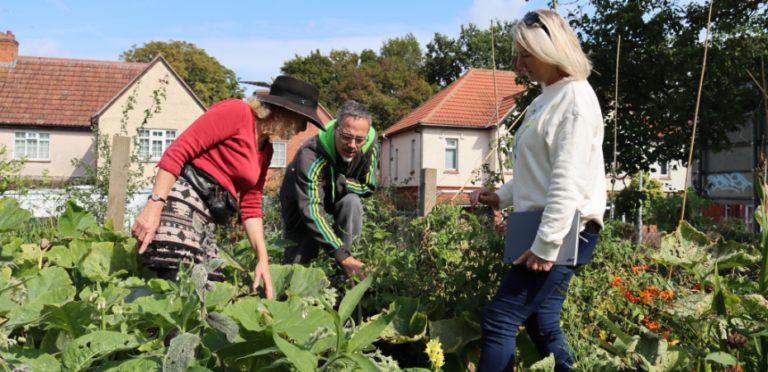
Place-based working is based on a simple idea: real life happens in actual places, not in policy documents, organisational charts, or national strategies. And for the VCFSE sector, many of us are working this way already. People don’t live in “systems”—they live in neighbourhoods, towns, estates, and streets.
Instead of trying to roll out one-size-fits-all solutions, place-based working starts with the specific local context. Who lives here? What’s already strong? What’s getting in the way? What do people actually want? And we can make some clear assumptions:
Problems look different depending on where you stand
Health gaps, youth opportunities, loneliness, rough sleeping—these issues obviously differ enormously from place to place.
Top-down fixes only get you so far
Large-scale programmes struggle to adapt to local realities; what works well in one town might not in another.
Communities have more power than they often get credit for
Local groups, informal networks, and everyday residents can create change much faster than centralised systems—if they’re trusted and supported.
We now have the data to see what’s happening at street level
Local insight (whether formal via the Somerset VCFSE Insights Hub or gathered by listening to people) means local action can be smarter and more targeted.
What this means for the VCFSE sector
These changes – and other national reforms – create an opportunity for the VCFSE sector to play a much more central role.
There is clear potential to expand delivery of community-based and preventative services, support people with more complex needs closer to home, and play a bigger role in tackling health inequalities – particularly in rural and underserved communities. This could include everything from social prescribing and community signposting to targeted support for people with long-term conditions or mental health needs.
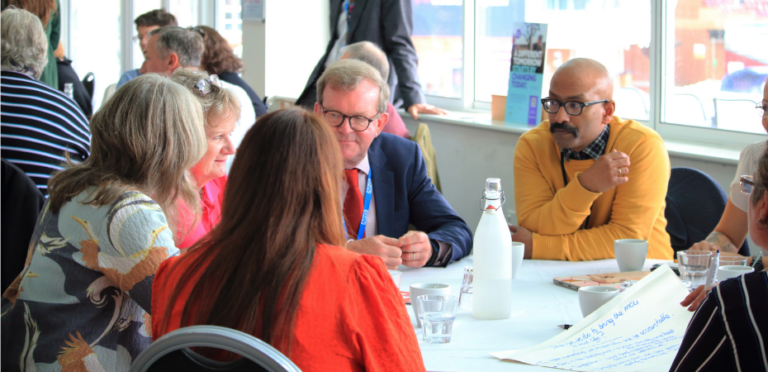
Just as importantly, there is an opportunity to help shape the system itself. Because neighbourhood models will be designed locally, Somerset’s VCFSE sector has a real chance to influence priorities, shape how services are delivered, and ensure community voices are reflected in decision-making. This represents a shift from being seen mainly as a delivery partner to becoming a genuine partner in system design.
Changes to funding and commissioning are also likely to open up new opportunities. As investment shifts towards community-based care, there may be more scope for partnerships, alliances, and longer-term funding linked to outcomes. At the same time, this will require the sector to work collaboratively and demonstrate its impact clearly.
A growing role – and a stronger case for VCFSE
Government reform places strong emphasis on things the VCFSE sector already does well: building trust, engaging communities, and providing non-clinical support that improves people’s overall wellbeing.
This creates a stronger case than ever for the sector’s value — but also means that being able to evidence impact, reach, and outcomes will be increasingly important in influencing decisions and securing investment.
Making it work in Somerset
While the direction of travel is positive, this change will not happen automatically. How strongly the VCFSE sector is embedded locally will depend on early engagement, strong relationships, and a coordinated approach.
In Somerset, success will rely on the sector working together, building partnerships, and engaging with key decision-makers. It will also mean being proactive in shaping neighbourhood plans and ensuring the VCFSE voice is part of the conversation from the start.
The Neighbourhood Health Framework represents a significant shift towards a more local, preventative, and community-based system — one that increasingly relies on the strengths of the VCFSE sector.
For Somerset, this is a real opportunity to move further into the heart of the health system: shaping how services are designed, expanding delivery, and securing a long-term role in improving health and wellbeing. We’re committed to keeping the VCFSE sector informed as things progress, so do watch this space.
If you have any questions in the meantime, please get in touch.