
If we are serious about prevention, neighborhood health and reducing inequalities, we need to think differently about what we mean by value.
When we talk about improving health and well-being, we often focus on activity. How many appointments were delivered? How many referrals were made? How many people were seen?
These measures matter, but they don’t tell the whole story.
The question of value was brought into sharp focus for me last week at an Integrated Care Board workshop, exploring how we define and measure value across our health and care system. Much of the discussion centred on balancing financial pressures with the outcomes that matter most to people and communities. It reinforced an important point: value cannot simply be measured by activity or cost reduction. True value must include the contribution that communities, relationships, and social connection make to people’s long-term health and well-being.
Looking beyond cost: four ways to think about value
One of the most useful discussions at the workshop focused on the different types of value we should consider when making decisions about health and care. These can sound technical, but at their heart they ask a simple question: what difference does this make, for whom, and over what timescale?
- Personal value is about what matters to the individual. Do people feel healthier, happier, more confident and more in control of their lives? For someone receiving support through social prescribing, personal value might mean feeling less lonely, gaining confidence, or being able to remain independent at home for longer.
- Technical value is about doing things well and making the best use of resources. Are services effective, evidence-based and achieving good outcomes for the investment made? This is often the type of value we are most used to measuring through targets, activity and performance data.
- Allocative value is about ensuring resources are directed to where they can make the greatest difference. It asks whether investment is reaching the people and communities with the greatest need, helping reduce inequalities rather than simply treating demand equally everywhere.
- Societal value looks at the wider benefits created for communities and society. Does an intervention build stronger relationships, increase volunteering, create social connections, improve resilience or strengthen community capacity? These outcomes may not sit neatly on a balance sheet, but they have a profound impact on long-term health and well-being.
What struck me most from the discussion was that these dimensions of value don’t always point us towards the same decision. We often face trade-offs. One option may deliver strong technical value because it is efficient and serves large numbers of people, while another creates greater personal, allocative or societal value by improving outcomes for those experiencing the greatest disadvantage, or by strengthening community resilience.
The real challenge is not simply measuring these different forms of value, but deciding how much weight we give each when making decisions about investment and priorities.
When resources are limited, different dimensions of value will impact our decisions. If financial pressures consistently outweigh wider health, community and inequality outcomes, we risk reinforcing demand rather than preventing it. If we genuinely want a prevention-focused system, our definition of value, and the decisions that flow from it, must reflect that ambition.
As the NHS looks ahead through its 10 Year Plan, there is increasing recognition that better health will not be achieved through healthcare services alone. Prevention, early intervention, neighbourhood working and stronger communities all have a vital role to play. If those ambitions are to become reality, we need to become much better at recognising and investing in the value created by the VCFSE sector.
Read our impact report to find out more
Our collective success in Somerset should ultimately be judged by whether people’s lives are improved. Do people feel healthier, more connected, more confident and better able to live independently? Are inequalities being reduced? Are communities becoming stronger and more resilient?
How the voluntary sector helps build resilience
For those of us working in the voluntary, community, faith and social enterprise (VCFSE) sector, resilience is particularly important because much of the value created by communities is tricky to capture through traditional performance measures.
Take social prescribing as an example. A Social Prescribing Link Worker may help an isolated older person access a lunch club, community transport and a befriending service. The measurable output is a referral. The real value is that the person maintains their confidence, mobility and independence. They’re more likely to have better mental well-being and less likely to require crisis support later on.
This long-term view also applies to youth work, carers’ support, community transport and countless other community-based services. Their greatest value is not the activity delivered today, but the future crises prevented tomorrow.
We in the sector also need to move away from measuring demand, towards measuring what prevents that demand occurring in the first place. Too often, investment decisions focus on services people use once they reach crisis point, rather than the community-based support, relationships and opportunities that help prevent crisis occurring in the first place.
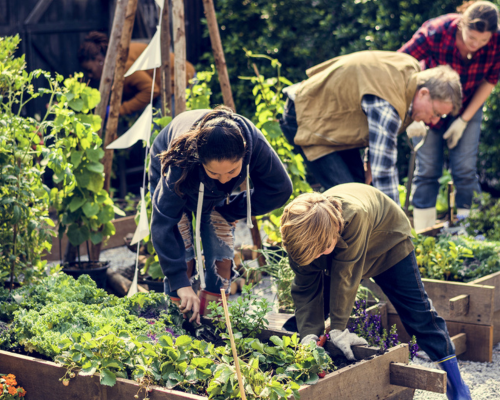
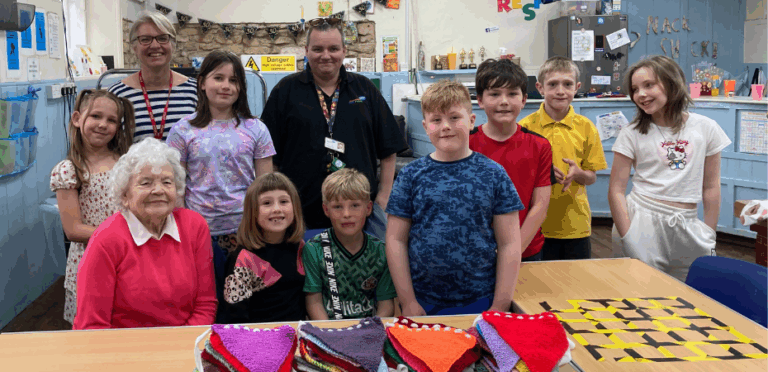
Across Somerset, thousands of volunteers, local charities and community groups are quietly creating the conditions that help people stay well. They reduce loneliness, build trust, connect neighbours, support carers and identify problems early. These contributions are fundamental to population health, yet they rarely appear on performance dashboards.
The risks of measuring numbers over meaning
There is a risk that what is easiest to measure is prioritised over what makes the biggest difference, but we know that a resilient voluntary and community sector is not an optional extra.
Health and care systems are under continued pressure, and cannot meet increasing levels of need through statutory services alone. The impact of Volunteering for Health pilots – including one in Somerset – show that if we can collectively help people remain independent for longer, and create the connections that underpin good health and well-being, we can create a more impactful Somerset-wide service. All delivered by multiple organisations, large and small.
The vast majority of organisations Spark Somerset support are small and micro community groups. While some of the strategic work that we undertake involves working alongside chief executives and system leaders, the overwhelming majority of our day-to-day engagement happens with grassroots organisations, delivering extraordinary work in villages, towns and neighbourhoods across the county.
These organisations may not have large budgets or paid communications teams. They may be volunteer-led and operating from church halls, community centres or even kitchen tables. But these are often the organisations closest to local people, with the strongest relationships and the deepest understanding of community need.
Resilience in this diverse sector translates directly into resilience within communities. And resilient communities help reduce pressure on health, social care and public services.
Added value – a Somerset-wide view
One aspect of resilience that is often overlooked is the make-up of the sector itself.
In many cases, anchor organisations across the county are helping secure the sustainability and long-term impact we talk so much about.
If we genuinely want to maximise value, we need to become clearer about what outcomes we are collectively trying to achieve and how anchor orgnisations can really facilitate those, led by the communities we exist to serve.
Alongside financial considerations, our decisions should consider the added value that communities can bring to the table. This is where our sector comes into its own, but we need to remember that sometimes the highest-value investment may not produce the fastest financial return.
Last week, I was invited to join a Pride in Place Board meeting in Bridgwater. The conversation was a powerful reminder that local people understand both the challenges and the opportunities within their communities better than anyone. When communities are trusted to identify priorities and influence decisions, the benefits extend far beyond individual projects; we build social capital, strengthen local networks and create the sense of belonging that underpins healthier, more resilient places.
That is value too, even if it is not always the easiest thing to capture in a spreadsheet.
For example, should £500,000 be invested in additional services to manage rising demand today, or in neighbourhood-based prevention that supports community organisations to deliver that change and prevent crisis tomorrow?
The first option may deliver immediate benefits, and we can measure the demands. But the second can generate lower future demand, reduced inequalities and stronger community resilience.
Targeted investment in communities experiencing the greatest disadvantage may benefit fewer people numerically than a universal service, but have a far greater impact overall.
These decisions require us to think beyond immediate pressures and consider the long-term value created for people, communities and the wider system.
Final thoughts
We rightly talk about prevention, neighbourhood health, and reducing inequalities; they’re all vital ambitions for the NHS 10 Year Plan.
But are we paying enough attention to the ways in which we can make all three possible?
What would happen to GP practices, hospitals, mental health services and social care teams if the wraparound support services from the VCFSE sector disappeared overnight?
The impact would be immediate.
Communities are not simply recipients of services. They are part of the solution. Whether the conversation is taking place around an ICB board table, through neighbourhood health initiatives or in programmes such as Pride in Place, the message is increasingly clear: sustainable change happens when communities are recognised not as beneficiaries of public services, but as partners in creating healthier places and better outcomes.
Trusted local organisations, volunteers and community networks help people stay well, manage challenges and avoid crisis. If we truly recognise their role then perhaps it’s time to stop viewing community organisations as discretionary extras, and start treating them as what they really are: essential infrastructure. They provide the relationships, resilience and preventative support that sustain Somerset’s communities – and, ultimately, the public services on which we all rely