How listening turned insight into impact - creating simpler, fairer funding opportunities for smaller charities in Somerset.
At Spark Somerset, our role as an infrastructure charity is to support and strengthen other charities across the county. A big part of that is speaking up on behalf of the sector so that groups and organisations get the resources and recognition they need and deserve.
Over the past year, that advocacy has taken a very practical shape through the Children and Young People’s Mental Health Network, as our Partnerships Manager, Liz Loud explains.
“What started as a recurring conversation in our network meetings has led to a jointly developed paper with NHS Somerset Integrated Care Board being endorsed by its Contract Oversight Group and Finance Committee. The commitments focus on improving accessibility, fairness and transparency in NHS procurement processes for VCFSE organisations.
“For me, this is a really good example of how the network gives its members a voice – and what can happen when that voice is listened to.”
Where it began
“The issue came directly from network members. In our meetings, smaller organisations often shared their frustrations about procurement opportunities from the NHS and local authority. It wasn’t just about losing bids, it was about feeling like they weren’t even getting through the door.

“It wasn’t just about losing bids, it was about feeling like they weren’t even getting through the door.”
“Some didn’t know when opportunities were being released or where to look for them. Others felt that the process itself was overwhelming. There was also a perception that larger organisations were more likely to be successful.
“They are generally stronger, more established and with bigger teams, including skilled bid writers. In contrast, many smaller groups are often run by one or two people juggling multiple roles.
“It was important to take those concerns seriously – but also to understand the process properly before drawing conclusions.”
Sitting on the other side of the table
“I spoke to Rose Firth, Head of Commissioning and Localities for Children’s Health at Somerset ICB. Rose has been a real champion for the voluntary sector, particularly in children and young people’s mental health.
“She invited me to undertake procurement training and sit on a live tender panel so that I could see first-hand how the process worked. This led to me joining the panel for the Phoenix Project, which supports and young people who have experienced sexual abuse.”
“I read every application and independently scored them. We then came together as a panel to moderate scores, with a Chair who challenged us to reach unanimous agreement. Each question carried different weightings, and there was a detailed scoring system behind the scenes.
“By the end of the ratification process, . It was clear that there was no preferential treatment and that the process was robust and impartial.
“However, it was also clear that fairness in process does not always mean accessibility in practice.”
“…fairness in process does not always mean accessibility in practice.”
Why some organisations struggle
“Some of the questions assumed a level of insider knowledge. For example, applicants were asked which statutory services they would work with to deliver the project. For organisations already operating in that space, the answer would be straightforward. For smaller or newer organisations, it was much harder.
“There were also ‘must include’ questions. Missing just one element could affect a score. For a small organisation without a dedicated bid writer, that creates a real risk.
“What I realised was this: sometimes organisations are selected because they are very good at writing bids – not necessarily because they are offering something more innovative or more rooted in the community. That means commissioners could unintentionally miss important opportunities.
“sometimes organisations are selected because they are very good at writing bids – not necessarily because they are offering something more innovative…”
“Alongside this, we have also been thinking about how we improve system knowledge within the sector. Our event next month, Connecting the Dots, is focused on referral pathways and statutory relationships. If, as part of the commissioning process, organisations are being asked who they would work with, they need to understand how the system fits together. Bringing people into the same room and clarifying those connections is part of making procurement more accessible.”
Turning concerns into action
“Rose and I worked together to write “Improving Accessibility and Fairness in NHS Procurement: A VCFSE Perspective.”
“The report sets out practical commitments, including simplifying application requirements where possible, reviewing rigid criteria, improving communication about opportunities, creating space for innovation and involving the VCFSE sector earlier in procurement design.
“I am really pleased that Somerset ICB’s Contract Oversight Group and Finance Committee have endorsed some of the commitments. While they do not form part of formal procurement policy, they have been agreed in principle and will be shared with the sector.
“I am really pleased that Somerset ICB’s Contract Oversight Group and Finance Committee have endorsed some of the commitments…”
“That endorsement matters. It shows a willingness to listen and adapt.”
Early impact
“This work has already led to practical change. Rose identified a £50,000 funding pot to pilot a scaled-down innovation fund aimed specifically at smaller, non-commissioned organisations within the Children and Young People’s Network.”
“We received 26 applications and awarded funding to eight organisations.
“The range and creativity of the proposals were impressive. The range and creativity of the proposals were impressive, some building on community-based pilots that have already proven effective, others helping to address the gap in those awaiting neurodivergent assessment and support for their families.
“What was particularly encouraging was the emphasis on partnership. Many applicants described how they would work alongside other services. I like to think some of those relationships have been developed through the Children and Young People’s Mental Health Network.”
Why this matters
“This work shows what is possible when statutory partners and the voluntary sector come together with a shared aim of improving outcomes for children and young people.
“It’s an important step towards clearer routes into funding for smaller organisations, helping commissioners benefit from a broader and more diverse range of providers. Innovation is being encouraged and, most importantly, children and young people will benefit.
“It’s an important step towards clearer routes into funding for smaller organisations…”
“None of this would have happened without the Children and Young People’s Mental Health Network speaking up. The network gave its members a collective voice – and that voice was heard.
“I also want to acknowledge Rose’s openness and support. She has been a genuine champion for our sector. Her willingness to invite challenge and work collaboratively has made all the difference.
“For me, this is infrastructure working as it should: listening carefully, representing the sector honestly and then working alongside our partners to turn shared concerns into practical change.”
Read “Improving Accessibility and Fairness in NHS Procurement: A VCFSE Perspective” here.
If you would like to discuss the report or find out how to become a member of the Children’s Mental Health Network, please email Liz.
To hear more from Liz and keep up with news, events, and opportunities for organisations supporting children and young people’s mental health in Somerset, you can sign up to receive her weekly updates.
For support with finding and applying funding, please visit our Get Support page.
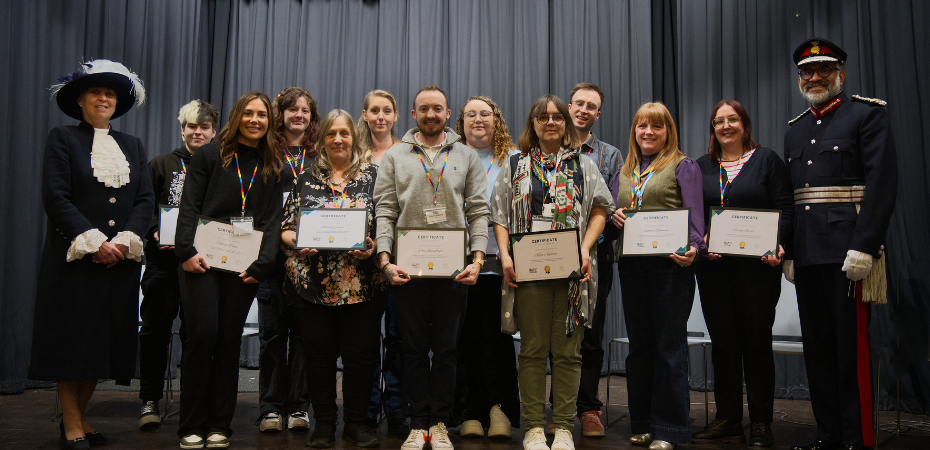
Photo: Community Youth Project