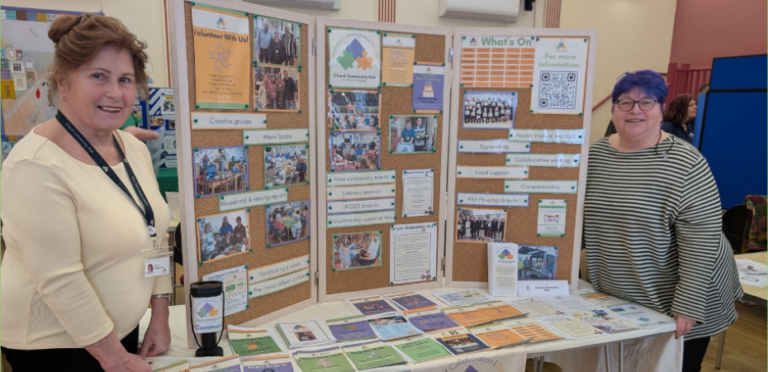
Priorswood Community Centre serves an area where literacy skills are below the national average, and around 90% of visitors can't use a computer.
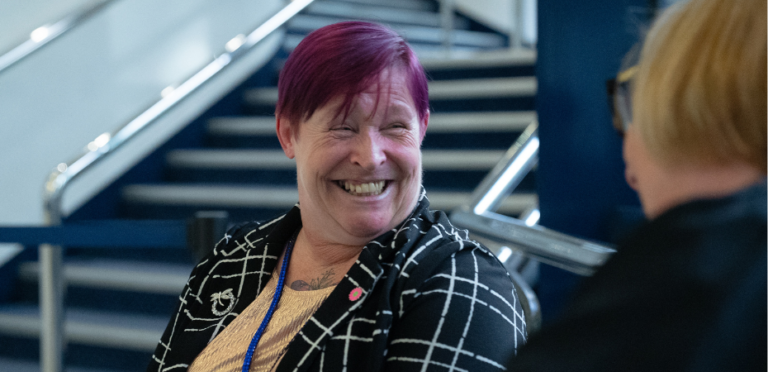
Centre Manager, Lesley, sees daily how the shift to online-only public services is creating genuine hardship for residents who can’t keep up.
“We’re battling with people struggling to fill in forms, we get this weekly,” Lesley explains. “We had a lady come in to pay for her green bin. She tried phoning but was number 18 in the queue. She came to us in a pickle because she didn’t have an email address and couldn’t make the payment online. She started to panic because it’s all automated and there’s no human contact.”
Without help, that unpaid bin charge could have escalated. It’s a pattern Lesley sees repeatedly.
Barriers to inclusion
The problems aren’t minor inconveniences, they’re barriers preventing people from accessing essential services and exercising their rights.
“Now everything is online and people fall through the net,” says Lesley. “Blue badge forms, benefit applications, you need quite a lot of confidence to navigate them. Official forms are written in jargon and people need someone to sit with them. Not everyone here can afford a computer, and for many, their phone screens are too small to use effectively.”

“Now everything is online and people fall through the net… Blue badge forms, benefit applications, you need quite a lot of confidence to navigate them.”
The centre is hoping to secure funding for a dedicated person to help with form-filling, recognition that digital exclusion has become a barrier to basic entitlements. Without this support, residents miss out on blue badges they’re entitled to, losing independence and mobility. They can’t complete benefit applications, deepening poverty. They struggle to pay utilities online, risking disconnection and cold homes with all the associated health impacts.
Why place-based Matters
Priorswood Community Centre is at the heart of the community, near the Post Office and local shops, meaning people can walk there without needing transport. This accessibility is crucial in a community facing multiple barriers.
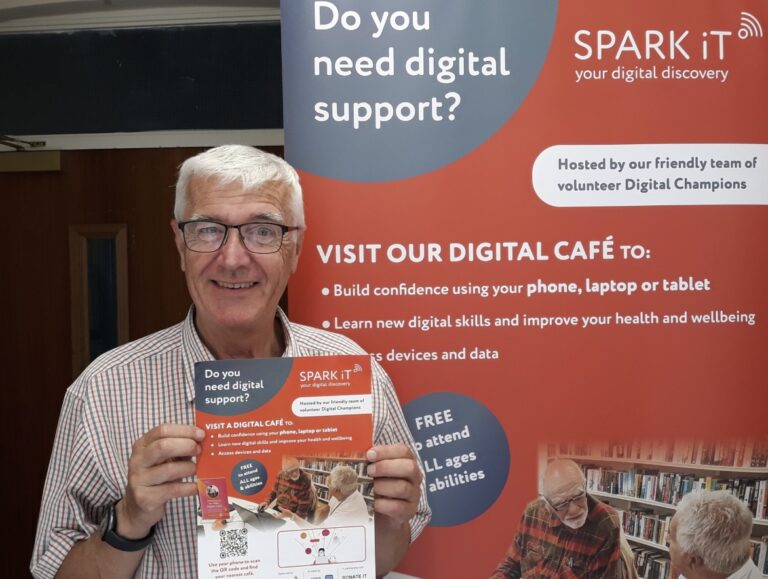
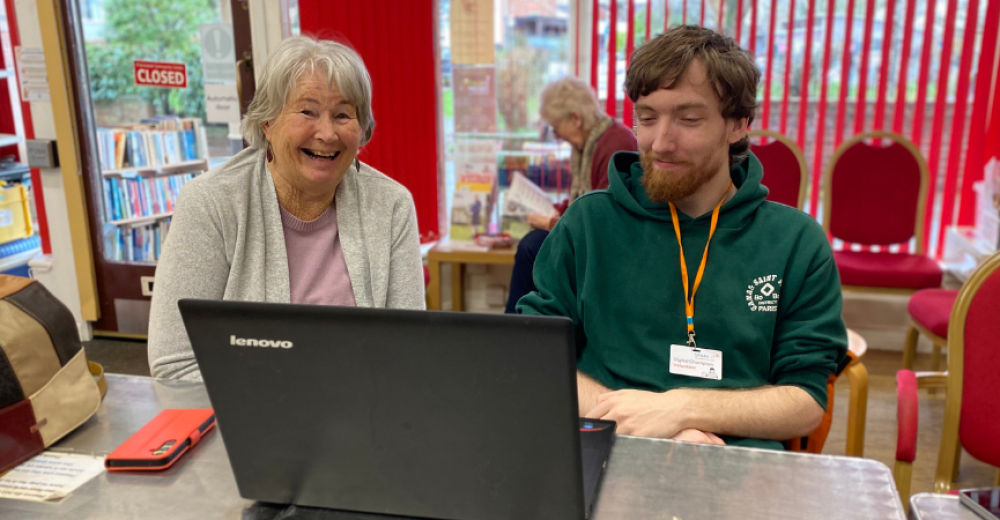
“It’s important that things like the Digital Café run here because trust is important, particularly in our community. People are scared of technology,” Lesley says.
“It’s important that things like the Digital Café run here because trust is important, particularly in our community.”
That fear is rational. When you can’t read well, when forms are full of jargon, when technology feels like a mystery, the stakes feel impossibly high. One wrong button and you might lose money, miss an appointment, or expose yourself to scams. The Digital Café provides a safe space where mistakes don’t have consequences and learning happens at your own pace.
The cost of digital exclusion
Without local digital support, each person who can’t complete a form or access a service creates costs elsewhere in the system. Unpaid council charges require enforcement teams. Unclaimed benefits mean deeper poverty and associated housing or health crises. Missed appointments have to be rescheduled. Mounting anxiety and stress leads to GP visits and mental health referrals.
The Digital Café provides early intervention that prevents these escalations at a fraction of the cost. It’s preventative infrastructure that keeps people independent, connected, and able to manage their lives delivered through trusted community spaces.
Digital cafés like this are part of a wider initiative across Somerset, aiming to help people build confidence online. Run by friendly volunteers, they’re often free to attend and open to anyone who would like to learn how to navigate the internet safely, access online services, and improve their health and wellbeing.
To learn more about Spark iT and Digital Digital Cafés in Somerset, click here.